Advancing Knowledge.
Shaping Policy.
Driving Change.

Most research stops at the policy. We work at the toilet door.

The Dr. Bindeshwar Pathak Research Foundation studies the four facilities that India uses every day — public toilets, community sanitation blocks, school toilets and household latrines. We examine what makes them function, what makes them fail, and what it takes to keep them clean, safe and open for the people who depend on them.

Drawing on five decades of Sulabh International's experience building and maintaining sanitation infrastructure across India, our research spans six interconnected themes: the technology of non-sewered systems, the circular pathways that recover water and energy from waste, the planning of public and community facilities at city scale, the gender and menstrual-health dimensions that determine whether a toilet is actually usable, the operational and financial realities that determine whether services survive beyond construction, and the policy and standards work that moves proven solutions from pilots to scale. We generate evidence that no laboratory can — because our research environment is the field itself.

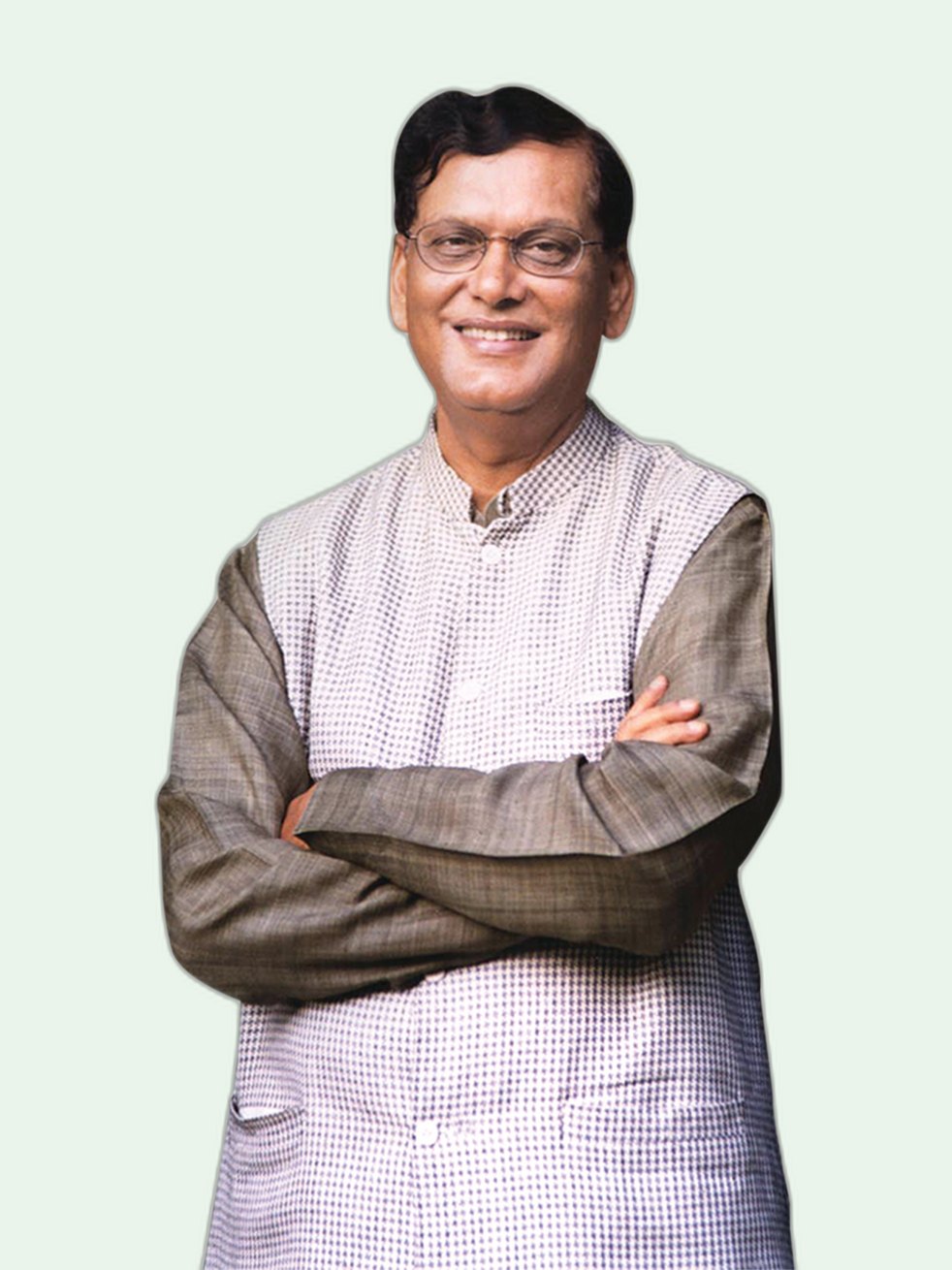
Dr. Bindeshwar Pathak

Dr. Bindeshwar Pathak (1943–2023)

Founder, Sulabh International

Padma Vibhushan · Gandhi Peace Prize · Stockholm Water Prize

Change in society is possible only if we ourselves become agents of change. We need the collective action of everyone to reform unjust practices and work toward the prosperity of all communities, wherever in the world they may live.

— Dr. Bindeshwar Pathak Know more about Dr. Bindeshwar Pathak
Research Focus Areas

Our research spans six thematic areas, combining technical evidence with social, economic and policy insights to develop solutions that work at scale.

Non-Sewered Sanitation and Decentralised Treatment

Flagship research on sanitation systems that safely contain, treat and manage human waste without conventional sewer networks.

Know more →

Circular Sanitation, Water Reuse and Resource Recovery

Investigating how sanitation systems can reduce freshwater consumption and recover useful resources from waste.

Know more →

Public and Community Sanitation Systems

Research on public and community toilets, institutional sanitation, gender-responsive design and long-term operational sustainability.

Know more →

Gender, Menstrual Health and Social Inclusion

Research on gender equality, menstrual health and hygiene, social norms, and sanitation access among vulnerable communities.

Know more →

Operations, Affordability and Human Experience

Studying the human, institutional and economic factors that determine whether sanitation services remain functional.

Know more →

Policy, Standards and Market Transformation

Generating evidence to support the movement of ideas and technologies from research to adoption.

Know more →

Our Services

DBPRF offers a range of specialist training, research, and advisory services to organisations working in development, governance, and public health.

Our team brings together qualitative researchers, monitoring and evaluation specialists, programme professionals, public health practitioners and strategic communicators with decades of field experience across India — people who have sat in focus group discussions with adolescent girls in Bihar, designed M&E frameworks for governments, conducted needs assessments in flood-prone villages and trained health workers, teachers and community leaders across India.

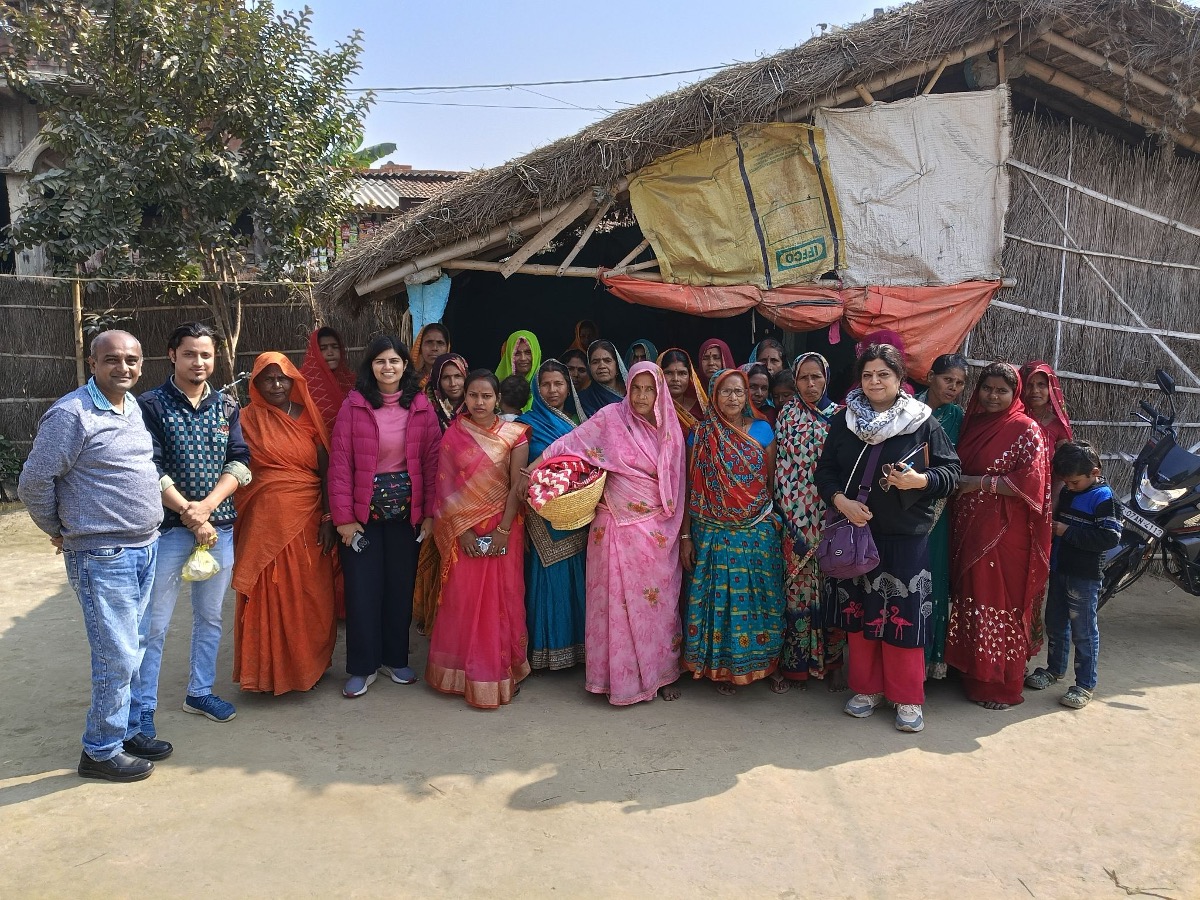
DBPRF field team with village women during a community needs assessment in Bihar

Monitoring and Evaluation

Rigorous programme evaluation and M&E framework design for development organisations, NGOs, and government bodies.

Abstract visualisation representing artificial intelligence

AI and Governance Workshop

Expert-led workshops on artificial intelligence policy, AI governance frameworks, and responsible technology adoption for development contexts.

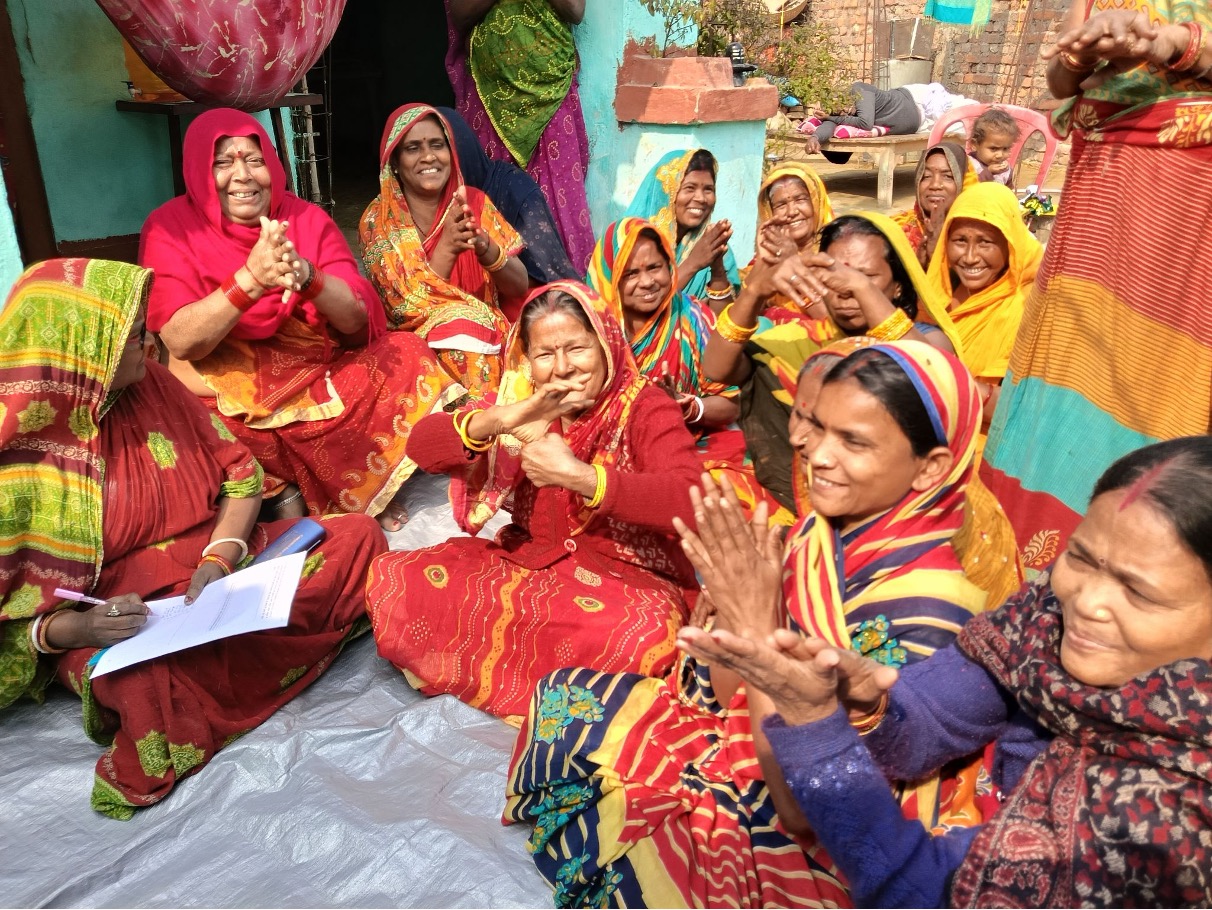
Women's community session in a Bihar village

MHM Training and Workshop

Menstrual Hygiene Management training and capacity-building workshops for field practitioners, educators, and programme staff.

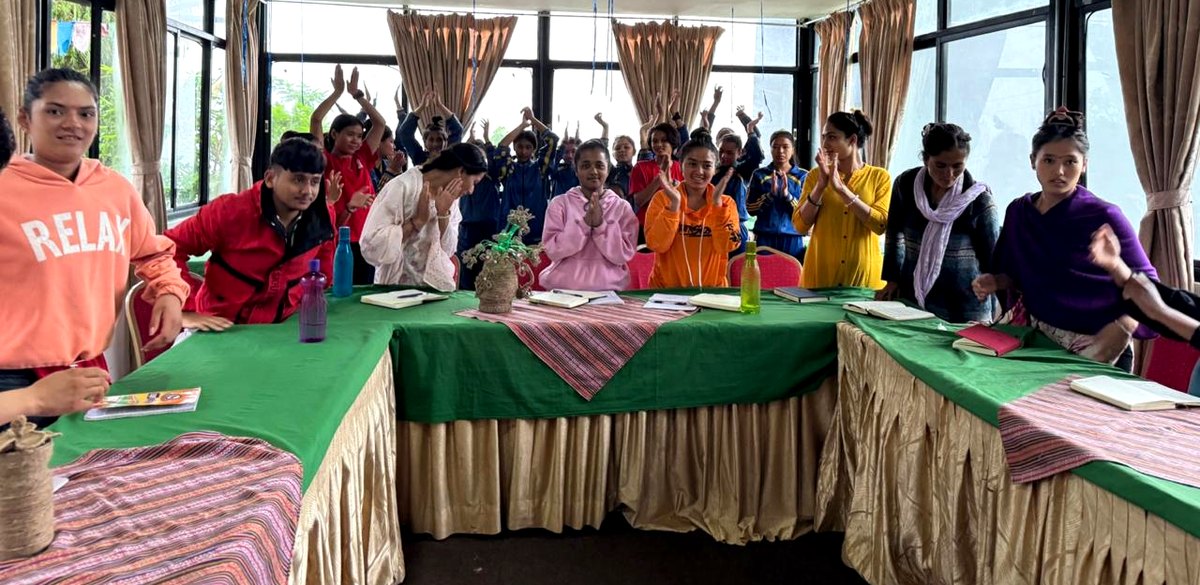
DBPRF research methods training session with participants in a workshop setting

Qualitative and Quantitative Training

Practical research methods training covering qualitative fieldwork, quantitative data analysis, and mixed-methods approaches for development professionals.

Get in Touch

Latest News & Updates

View all news