Most research stops at the policy. We work at the toilet door.
The Dr. Bindeshwar Pathak Research Foundation studies the four facilities that India uses every day — public toilets, community sanitation blocks, school toilets and household latrines. We examine what makes them function, what makes them fail, and what it takes to keep them clean, safe and open for the people who depend on them.
Drawing on five decades of Sulabh International's experience building and maintaining sanitation infrastructure across India, our research spans six interconnected themes: the technology of non-sewered systems, the circular pathways that recover water and energy from waste, the planning of public and community facilities at city scale, the gender and menstrual-health dimensions that determine whether a toilet is actually usable, the operational and financial realities that determine whether services survive beyond construction, and the policy and standards work that moves proven solutions from pilots to scale. We generate evidence that no laboratory can — because our research environment is the field itself.
Named in honour of Dr. Bindeshwar Pathak (1943–2023), pioneer of sanitation and social reform in India and founder of Sulabh International. Know more about Dr. Bindeshwar Pathak
Our research spans six thematic areas, combining technical evidence with social, economic and policy insights to develop solutions that work at scale.
Flagship research on sanitation systems that safely contain, treat and manage human waste without conventional sewer networks.
Know more →Investigating how sanitation systems can reduce freshwater consumption and recover useful resources from waste.
Know more →Research on public and community toilets, institutional sanitation, gender-responsive design and long-term operational sustainability.
Know more →Research on gender equality, menstrual health and hygiene, social norms, and sanitation access among vulnerable communities.
Know more →Studying the human, institutional and economic factors that determine whether sanitation services remain functional.
Know more →Generating evidence to support the movement of ideas and technologies from research to adoption.
Know more →DBPRF offers a range of specialist training, research, and advisory services to organisations working in development, governance, and public health.
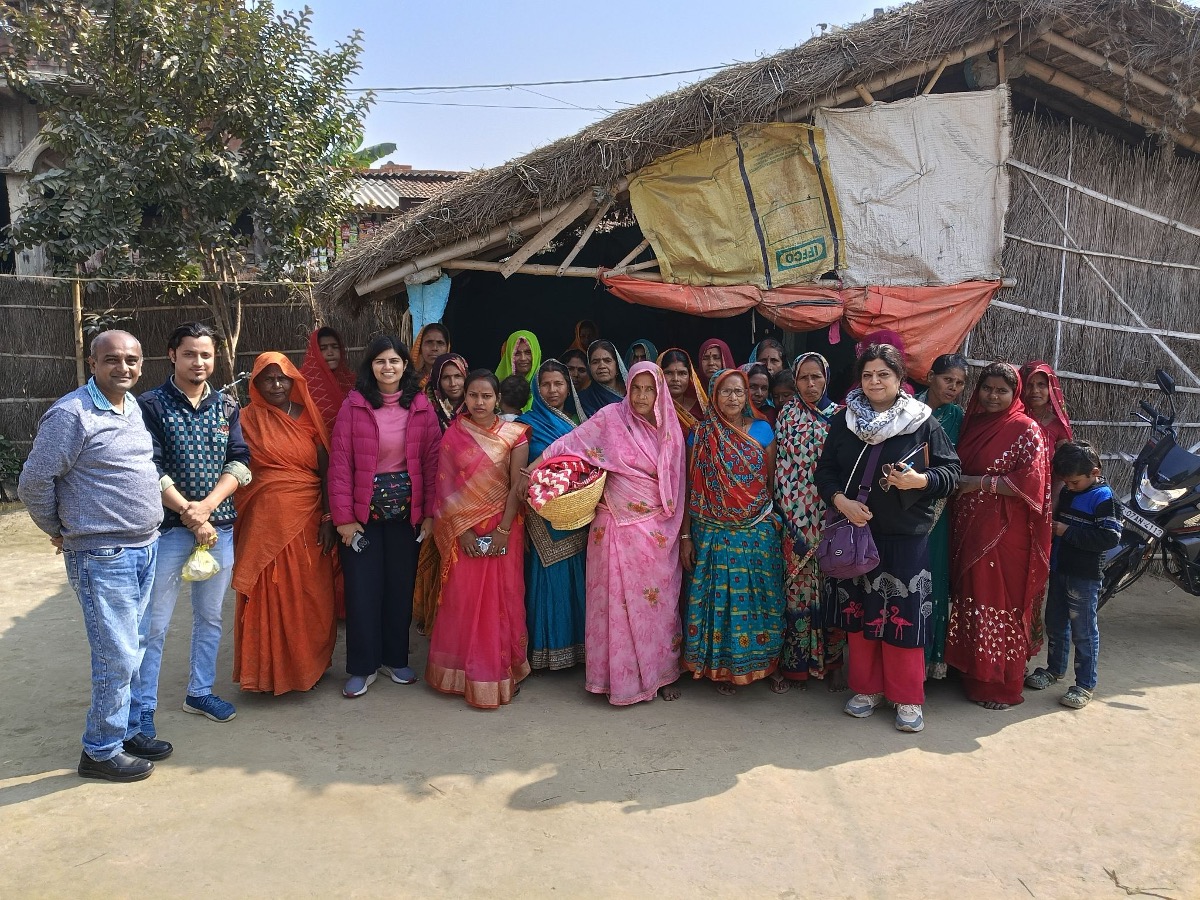
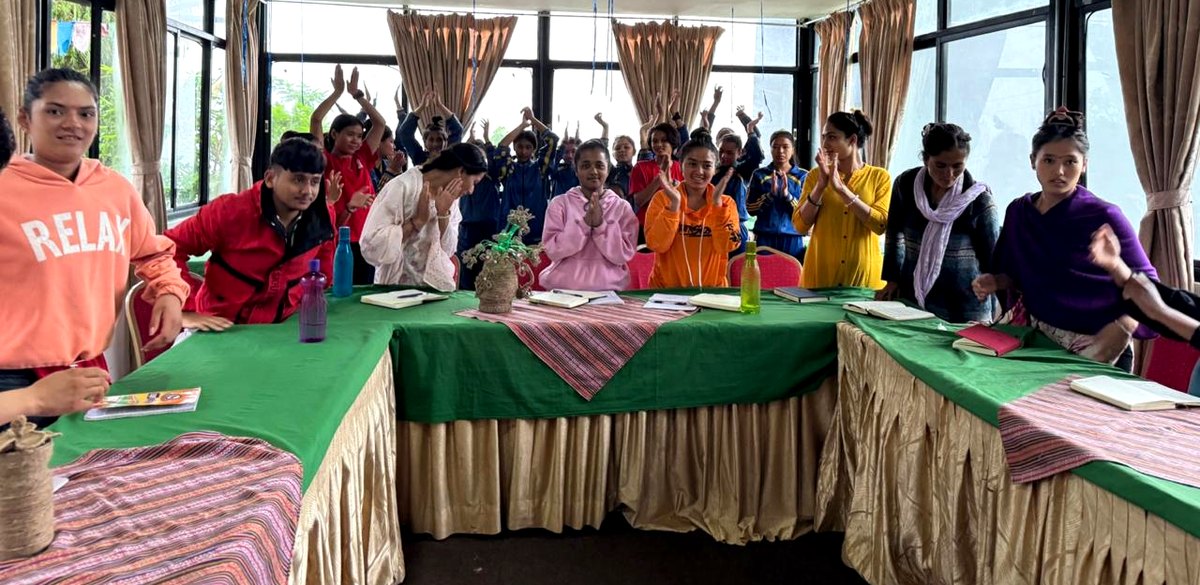
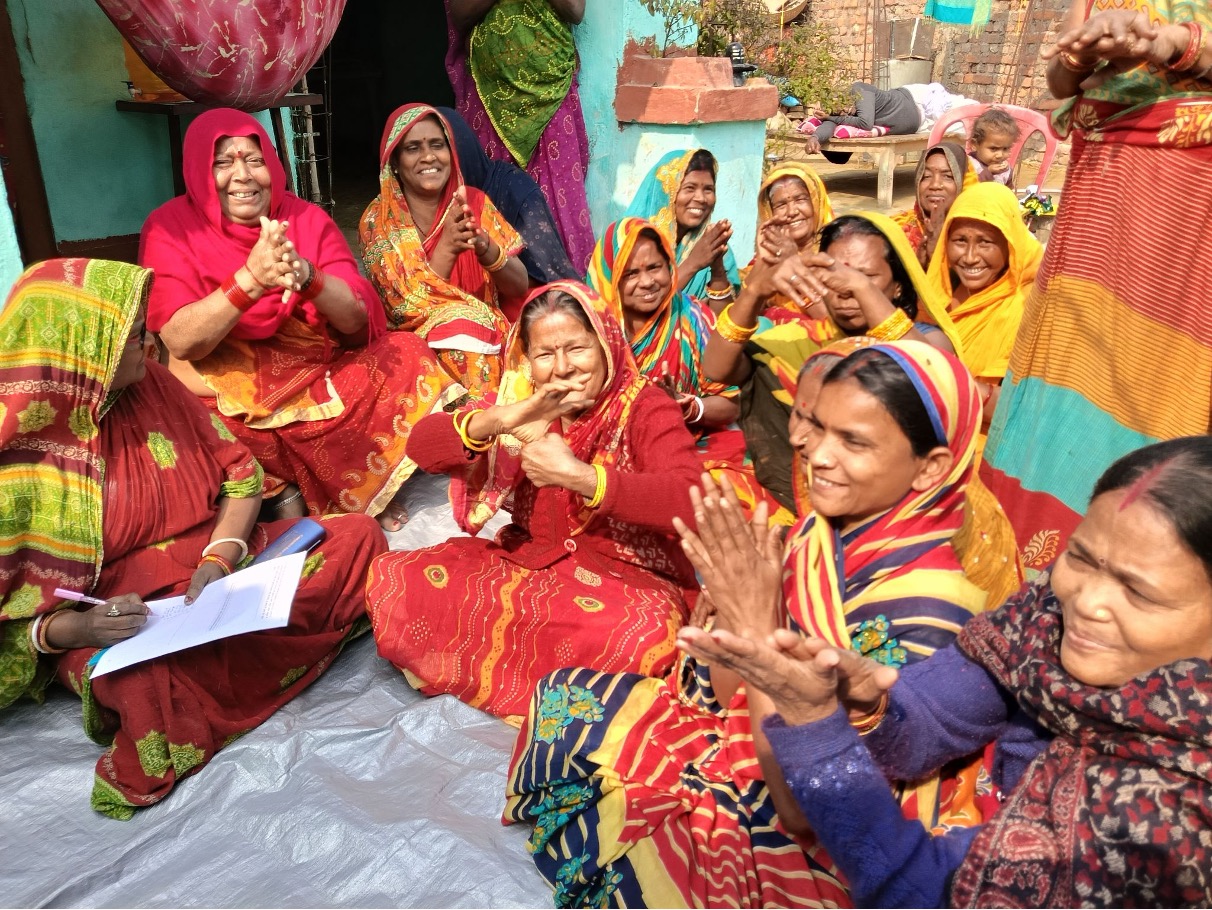
Our team brings together qualitative researchers, monitoring and evaluation specialists, programme professionals, public health practitioners and strategic communicators with decades of field experience across India — people who have sat in focus group discussions with adolescent girls in Bihar, designed M&E frameworks for governments, conducted needs assessments in flood-prone villages and trained health workers, teachers and community leaders across India.
Rigorous programme evaluation and M&E framework design for development organisations, NGOs, and government bodies.
Expert-led workshops on artificial intelligence policy, AI governance frameworks, and responsible technology adoption for development contexts.
Menstrual Hygiene Management training and capacity-building workshops for field practitioners, educators, and programme staff.
Practical research methods training covering qualitative fieldwork, quantitative data analysis, and mixed-methods approaches for development professionals.
New Delhi / Darbhanga: The Dr. Bindeshwar Pathak Research Foundation (DBRF) has entered into a Memorandum of Understanding (MoU) with Lalit Narayan Mithila University to strengthen collaborative research, training and field-based initiatives in sanitation, public health, environmental sustainability, education and community development.
The partnership brings together LNMU's academic strengths and DBRF's commitment to carrying forward the intellectual, scientific and humanitarian legacy of Dr. Bindeshwar Pathak. The MoU envisages interdisciplinary work in water, sanitation and hygiene (WASH), waste management, women's empowerment, menstrual health, sustainable livelihoods, food security and social inclusion.
Under the collaboration, the two institutions will jointly identify priority areas, develop action plans for research and training, and undertake field interventions and outreach activities. The partnership will also create opportunities for student internships, surveys, field visits and community-engagement programmes, linking academic learning with practical social action.
The MoU provides for the organisation of seminars, workshops, conferences and awareness campaigns to promote knowledge exchange and build capacity. It also encourages pilot projects and demonstration models in sanitation, waste management, menstrual health and sustainable livelihoods, along with joint documentation of research findings, case studies and best practices.
A key feature of the collaboration is its focus on supporting marginalised communities through education, skill development, women's empowerment and livelihood-oriented programmes. The partnership will seek to develop evidence-based solutions that contribute to public health, environmental resilience and sustainable development.
The agreement also establishes provisions for joint governance, monitoring and coordination, as well as the protection of intellectual property, confidentiality and joint authorship of publications arising from collaborative work.
Speaking on the collaboration, a DBRF representative said that the MoU reflects a shared commitment to transforming research into meaningful action. "By bringing together academic inquiry, community engagement and practical innovation, this partnership will help advance inclusive and sustainable solutions in areas that are central to public health, dignity and development."
The MoU marks an important step towards building a stronger ecosystem of research, policy engagement and grassroots action in Bihar and beyond.
New Delhi / Portsmouth | April 2025: The University of Portsmouth and the Dr. Bindeshwar Pathak Research Foundation–Sulabh International Social Service Organisation have established an international partnership to advance collaboration in research, education, innovation and social development.
Formalised through a Memorandum of Understanding in April 2025, the partnership provides a framework for the two institutions to work together on areas of shared interest, including academic exchange, joint research, student engagement, faculty collaboration, professional placements, seminars, conferences and the sharing of best practices.
The collaboration reflects a common commitment to linking academic knowledge with practical action on global social and development challenges. It will enable the institutions to explore interdisciplinary initiatives in areas connected with sanitation, public health, gender equality, social inclusion, livelihoods and environmental sustainability.
Through the partnership, the University of Portsmouth and the Dr. Bindeshwar Pathak Research Foundation–Sulabh International will explore opportunities for joint research projects, collaborative funding applications, academic programmes and student-exchange arrangements. The initiative will also support knowledge-sharing between scholars, practitioners and communities.
Speaking on the occasion, a representative of the Dr. Bindeshwar Pathak Research Foundation–Sulabh International said: "This global partnership carries forward the vision of Dr. Bindeshwar Pathak, who believed that research, innovation and social action must work together to create lasting change. We are pleased to collaborate with the University of Portsmouth to build new opportunities for learning, research and meaningful impact."
The partnership marks an important step in strengthening international cooperation and creating new pathways for evidence-based solutions to social and development challenges. Specific activities under the MoU will be developed through mutual consultation and formal agreements between the two institutions.
Sanitation is more important than independence. I am telling this to make people understand what it means for their lives.
— Dr. Bindeshwar Pathak (1943–2023)The Dr. Bindeshwar Pathak Research Foundation is named in honour of Dr. Bindeshwar Pathak — a towering figure in Indian social reform, inventor of the twin-pit pour-flush toilet, and founder of Sulabh International Social Service Organisation.
DBPRF continues his life's work by generating rigorous, policy-relevant research in the areas of sanitation, water, social reform, public health, and sustainable development for a global audience of researchers, policymakers, and development practitioners.
Learn More About Us